Jakarta & Bali, Indonesia
Mon-Fri 09.00AM - 06.00 PM
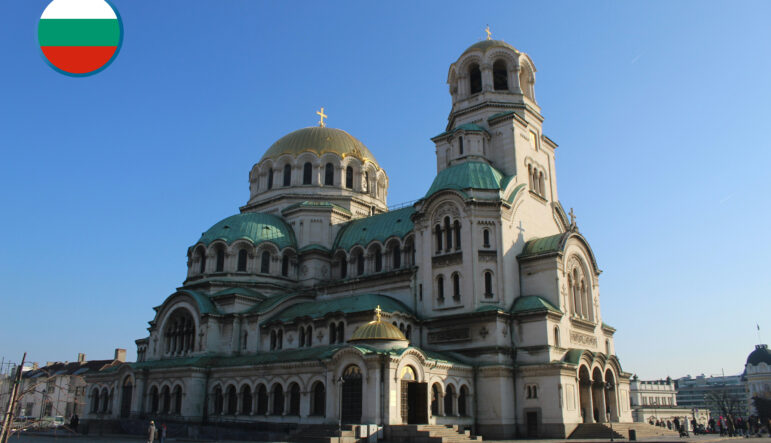
Bulgaria is becoming an increasingly interesting destination for Indonesian workers, particularly for hospitality, tourism, F&B, housekeeping, culinary, spa & wellness, and selected skilled positions.
The opportunity is driven primarily by labour shortages in tourism. Bulgaria’s Ministry of Tourism has explicitly identified tourism as one of the sectors most affected by shortages of qualified workers and has been working to improve recruitment of third-country nationals.

Bulgaria recorded more than 9.5 million tourists in 2025, up 5.8% from 2024, while overnight stays exceeded 28.8 million. Foreign tourist registrations increased 9.8%.
This supports demand for workers in:

Bulgaria’s tourism industry has an ongoing shortage of qualified staff. The government has specifically discussed the need to recruit workers from third countries to address the problem.
For Indonesian workers, this means there is an opportunity to enter a market where employers are actively looking for additional workforce.
Bulgaria has two particularly important tourism environments:
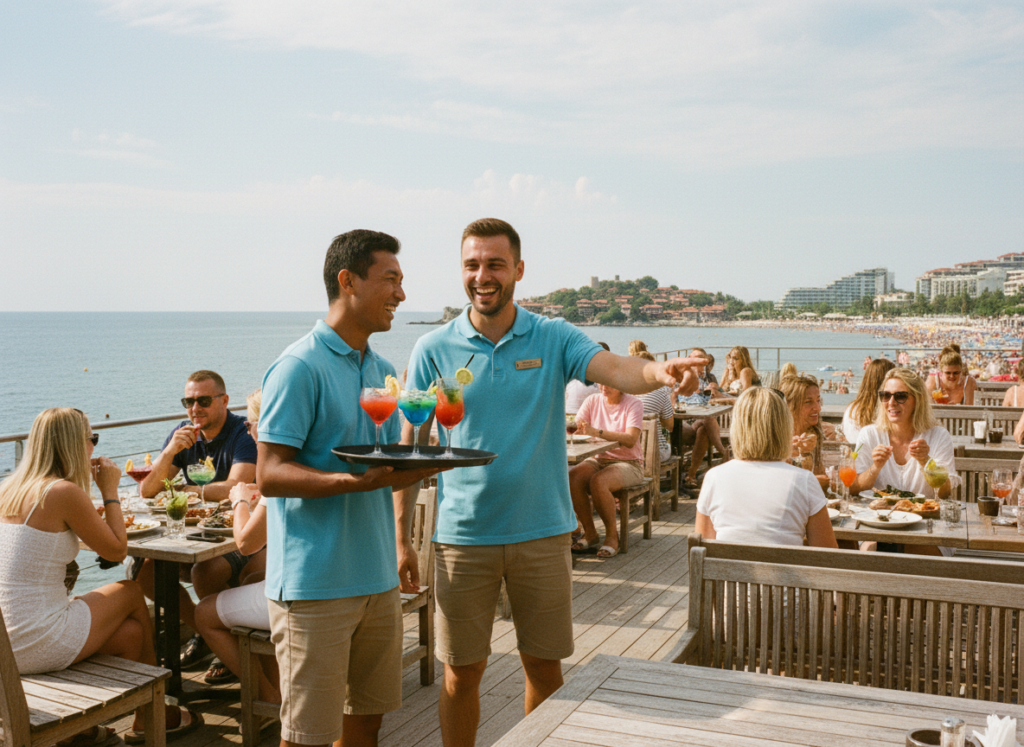
Summer Tourism
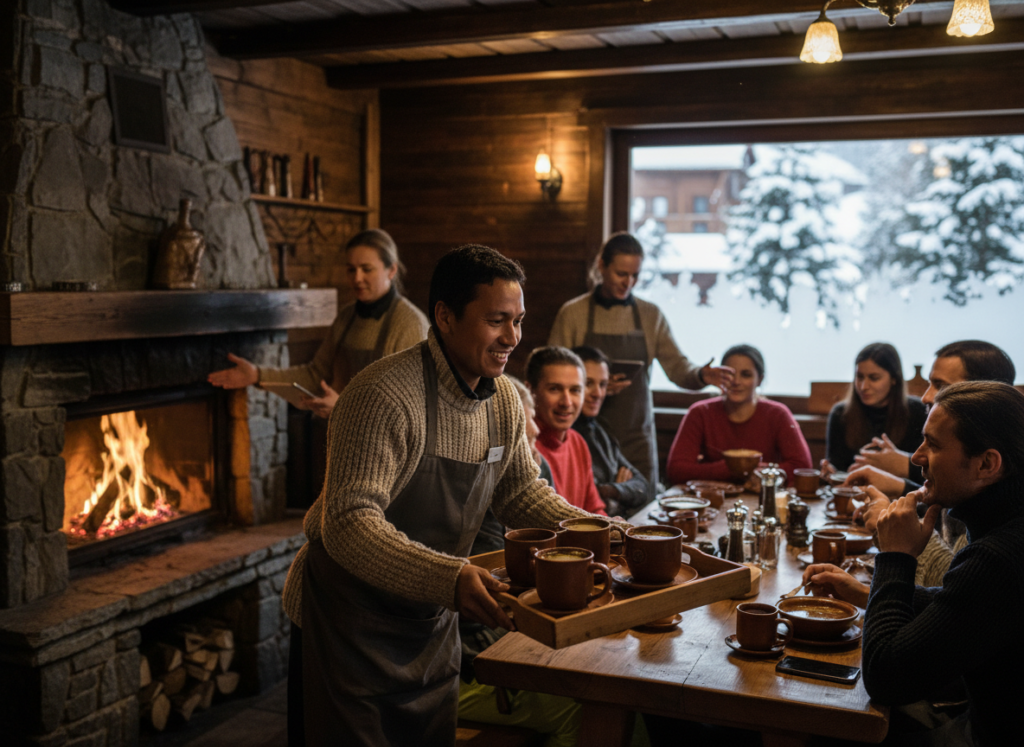
Winter Tourism
This creates opportunities for workers who are interested in seasonal hotel and resort employment.
The Bulgarian government has also been working to make seasonal employment more flexible, including changes that allow certain foreign workers to extend their stay by up to 90 days beyond the initial authorized period.
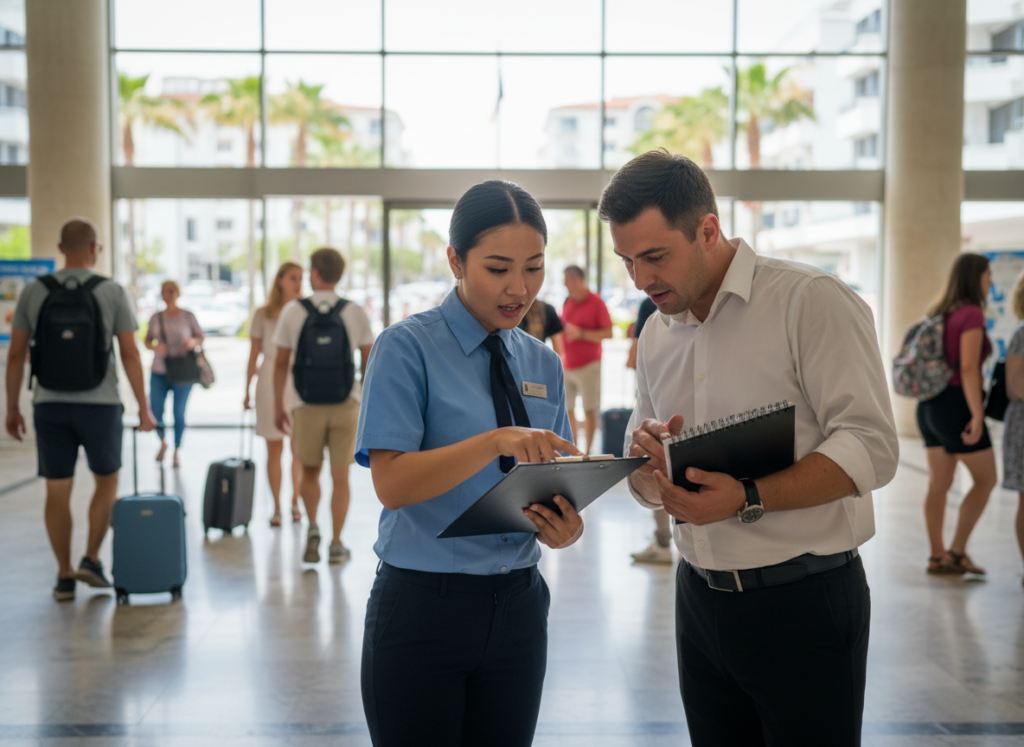
For Indonesian talent, Bulgaria offers exposure to a European hospitality environment, with international tourists and multicultural teams.
Candidates can develop:
European workplace experience → hospitality skills → English communication → multicultural teamwork → stronger international CV
This can be particularly valuable for candidates planning a longer international hospitality career.
For Jobstacular, I would prioritize:
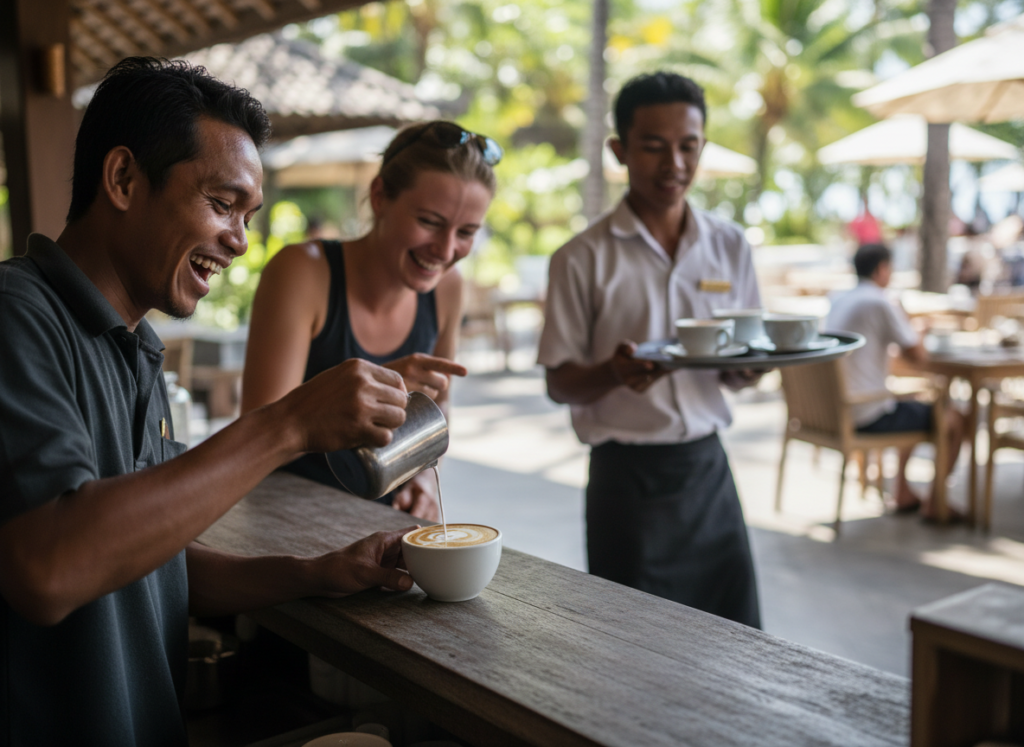
F&B
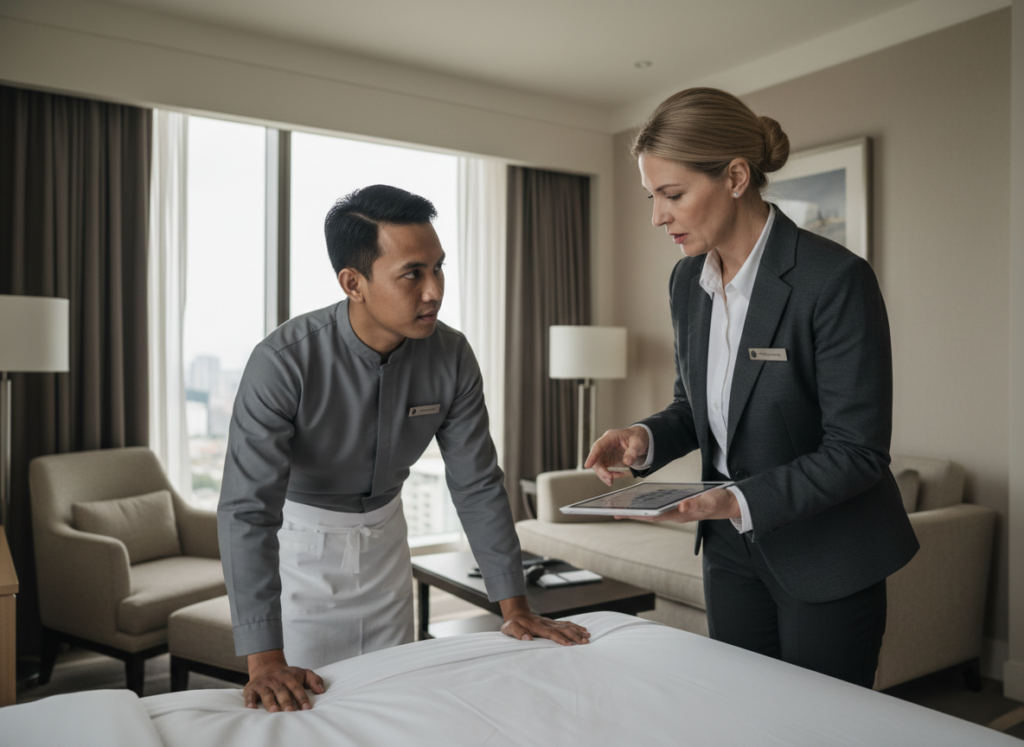
Housekeeping
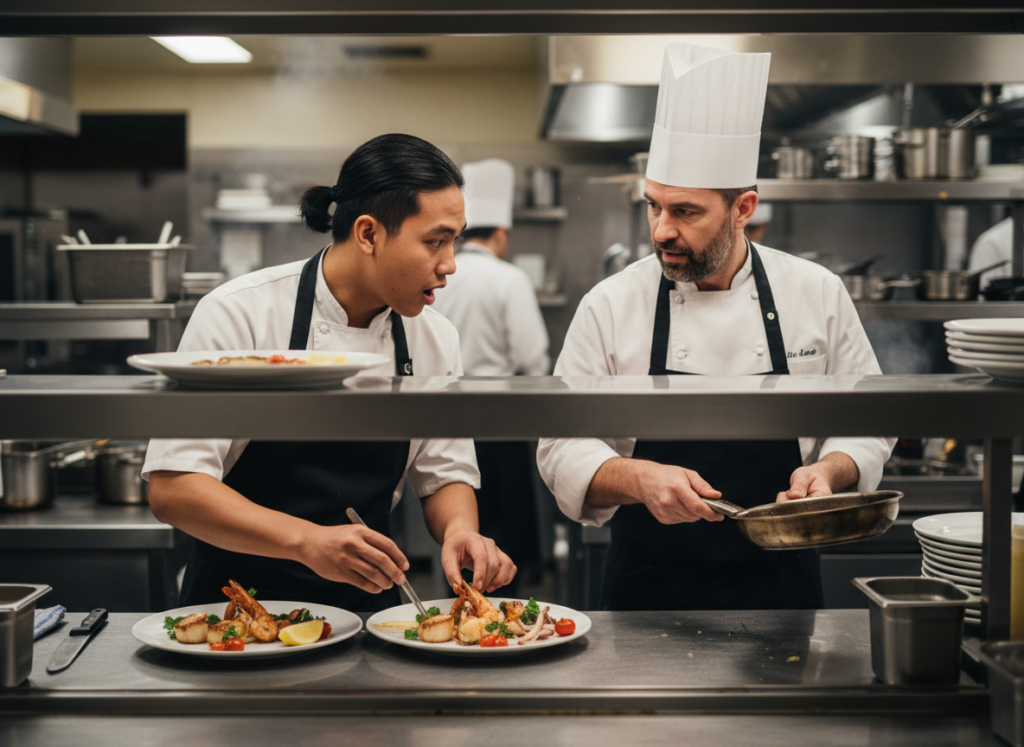
Kitchen

Other
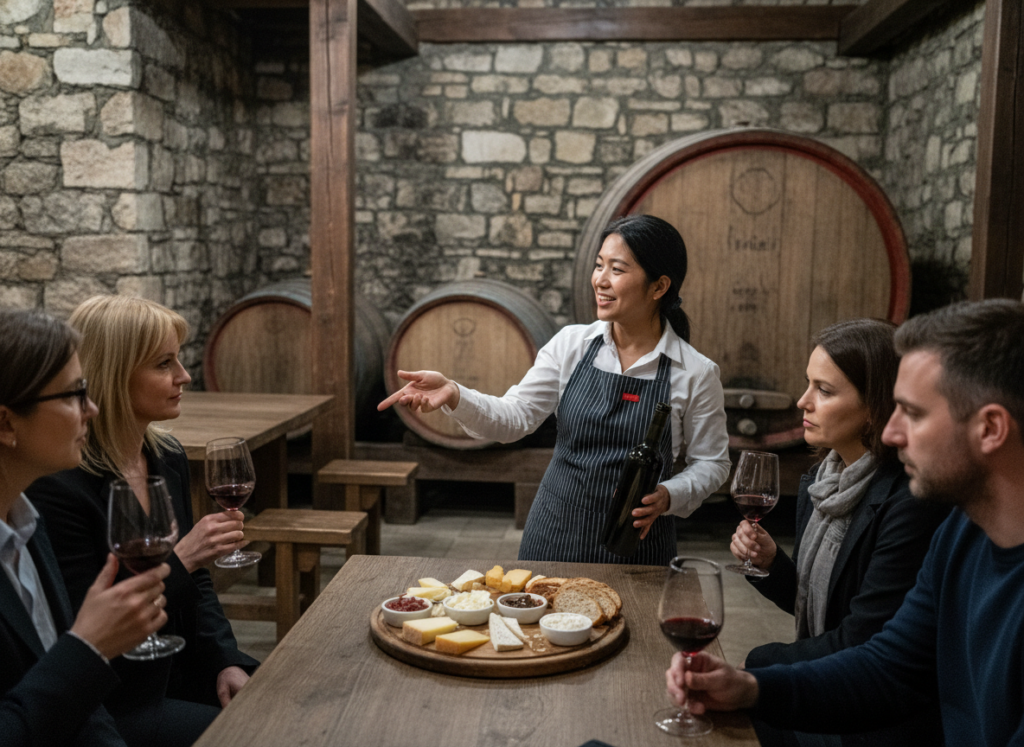
Bulgaria is not relying only on summer tourism. The government is actively promoting the country as a year-round destination, including cultural, wine, gastronomic, SPA, wellness and slow tourism.
That is strategically important because it can create opportunities beyond traditional summer resort jobs.

The Bulgarian government approved changes intended to facilitate access for highly qualified and seasonal foreign workers, particularly to support tourism.
In 2026, Bulgarian authorities also announced work to improve coordination and accelerate procedures for attracting workers from outside the EU.
For Indonesian workers going to Bulgarian hotels, resorts, restaurants, and tourism businesses, cultural preparation should focus on communication, workplace discipline, social etiquette, food, religion, and adapting to European workplace expectations.

Bulgarian culture values family, friendships, hospitality and social relationships. Hospitality is particularly visible when welcoming guests into homes and sharing food.
For Indonesian workers, this can be a familiar cultural point because both cultures place importance on welcoming guests.
At work:
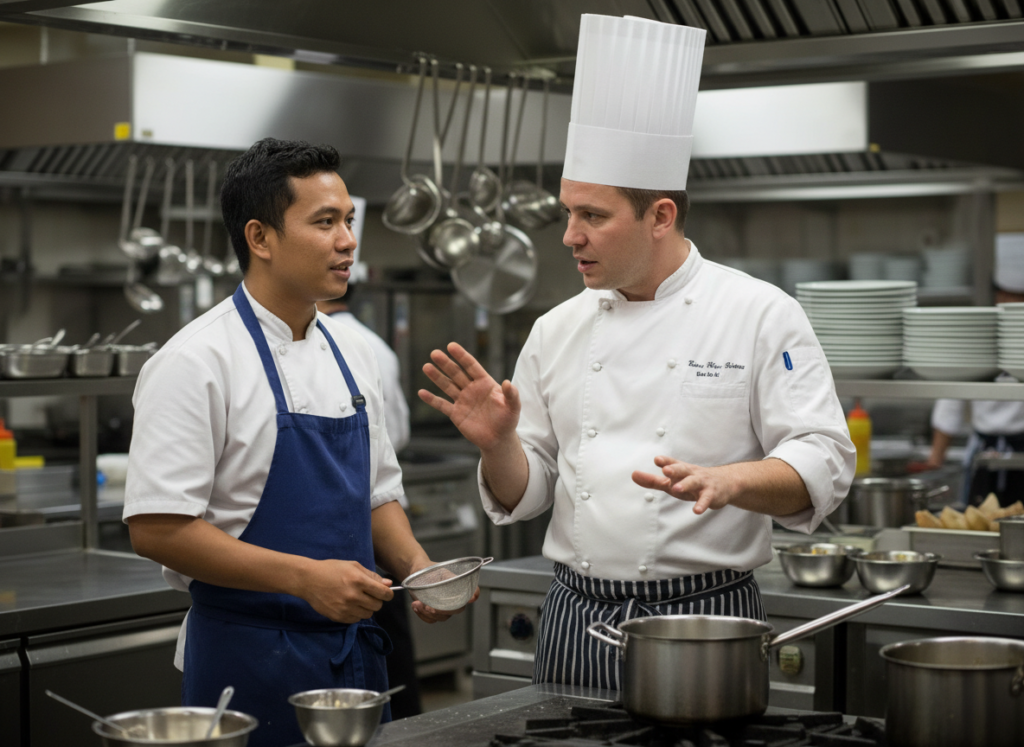
Bulgarian communication can be more direct and straightforward than Indonesian communication.
Indonesians often prefer indirect communication to maintain harmony. In Bulgaria, colleagues or supervisors may communicate instructions or criticism more directly.
Don’t immediately interpret direct feedback as personal hostility.
Use:
Listen → Clarify → Respond → Improve
If you don’t understand an instruction, ask:
Could you please explain that again?
One cultural difference Indonesian workers should know is that head gestures can be confusing.
Traditional Bulgarian non-verbal communication can use head movements differently from what Indonesians are accustomed to for “yes” and “no.”
Because this can cause misunderstandings, candidates should pay attention to the words being spoken rather than relying only on gestures, especially in the workplace.

If your shift begins at 08:00:
This is particularly important in hotels because one employee’s lateness can affect an entire shift.

Bulgarian workplaces can be more direct and task-oriented than Indonesian workplaces.
Workers should:
Don’t wait until a problem becomes serious before informing your supervisor.
Bulgaria has two major tourism seasons:
☀️ Summer: Black Sea resorts
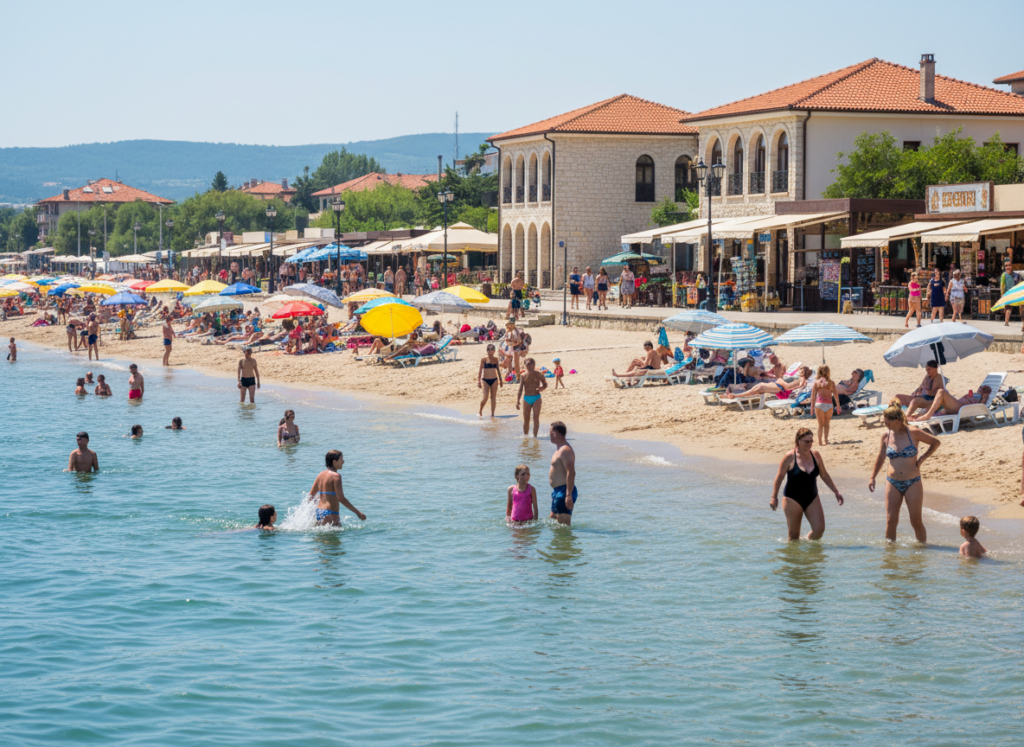
❄️ Winter: Mountain ski resorts

Indonesian workers may therefore experience very different working environments depending on their destination.
During peak season, hotel operations can become extremely busy.
Workers should expect:
High occupancy → more guests → faster service → longer periods standing → teamwork under pressure.

Food is an important part of Bulgarian social life.
Workers may encounter:
For F&B workers, learning the names of common Bulgarian dishes can improve guest communication.
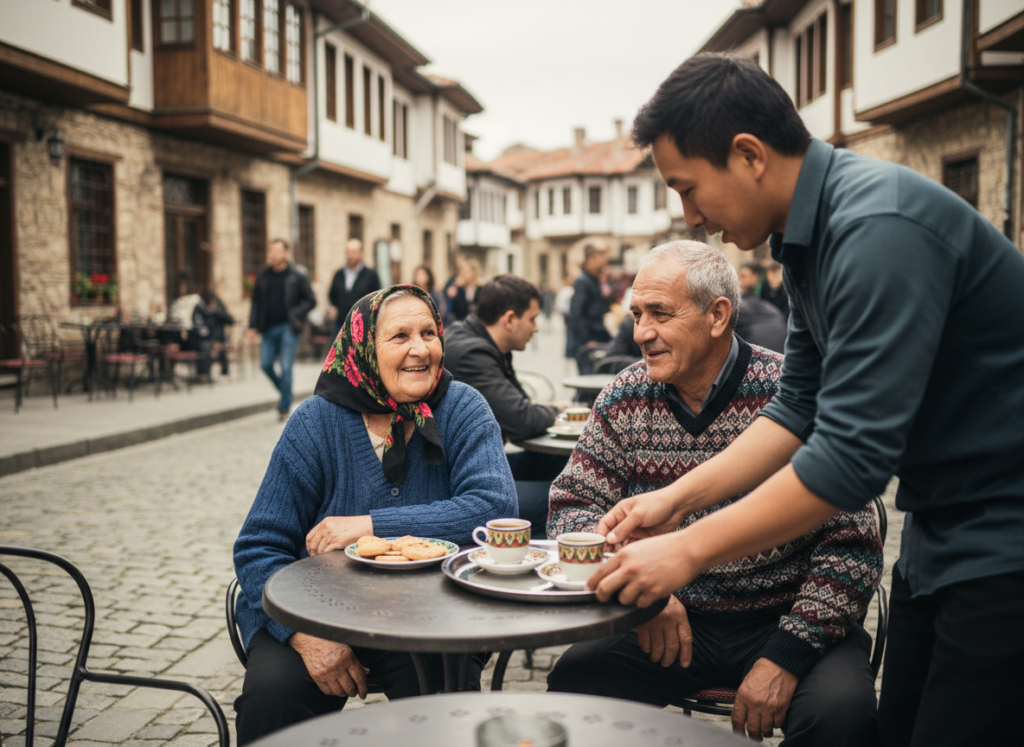
Coffee and social gatherings are common parts of daily life.
For Indonesian baristas and waiters, understanding how Bulgarians order and enjoy coffee can help with guest interaction.
Learning basic Bulgarian hospitality vocabulary is also recommended.
Здравейте — Zdraveyte
Hello
Благодаря — Blagodarya
Thank you
Моля — Molya
Please / You’re welcome
Добро утро — Dobro utro
Good morning
Довиждане — Dovizhdane
Goodbye

Bulgaria has a strong Eastern Orthodox Christian cultural heritage, although individual religious beliefs vary.
Important traditions include:
Workers should respect colleagues’ religious practices and understand that some holidays and traditions may differ from Indonesia.

Family is important in Bulgarian society, and relationships with friends and relatives can be significant.
Indonesian workers may find some similarities with Indonesian culture in terms of:
This can make cultural adaptation easier.
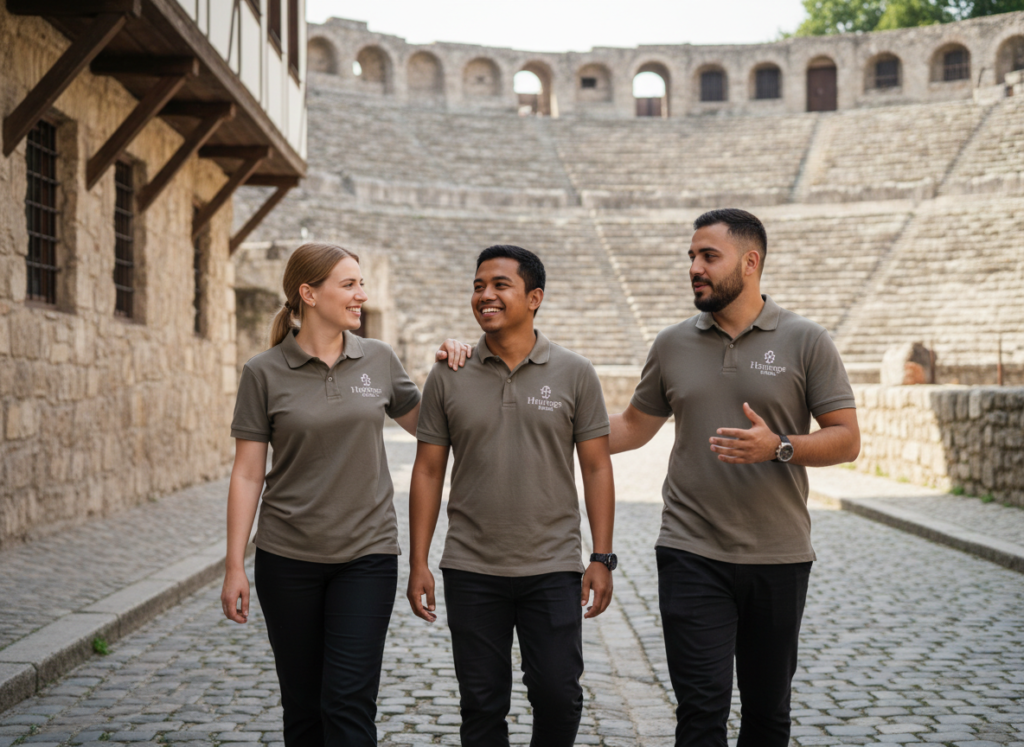
Hotels and resorts in Bulgaria may employ workers from different countries, particularly during tourism seasons.
Indonesian workers should be prepared to work with:
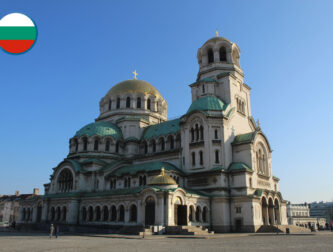
Bulgaria is becoming an increasingly interesting destination for Indon

Hundreds of Candidates Participate in International Hospitality Select
